
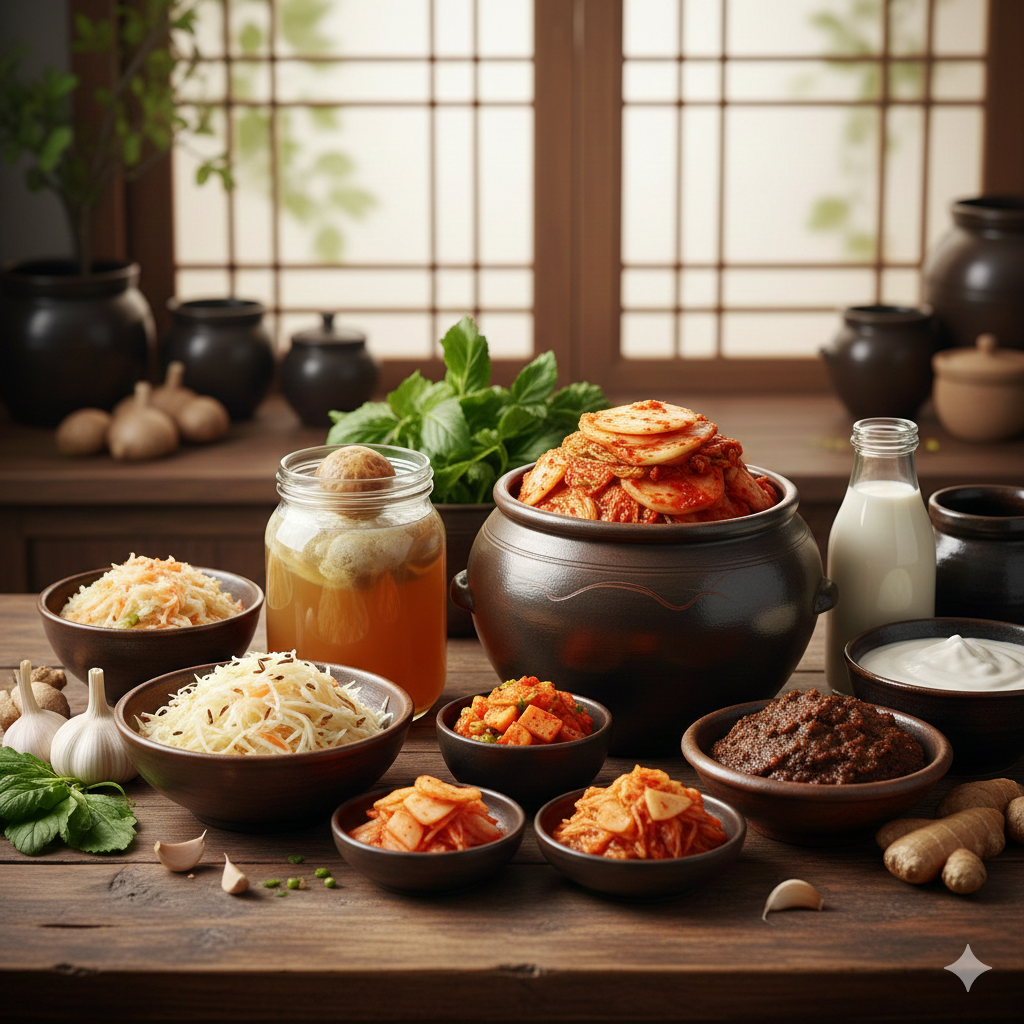
Have you ever wondered why some people seem to radiate energy from the moment they wake up, while others feel like they are dragging through a fog despite drinking endless cups of coffee? The secret isn’t found in a caffeine pill or a trendy energy drink—it is hidden deep within your digestive system. As we discovered in our first post, your “Second Brain” governs your mood, your immunity, and most importantly, your vitality.
However, understanding your gut is only half the battle. To truly unlock a high-energy life, you must become a “master gardener” of your own microbiome. Most people spend their lives accidentally “starving” their beneficial bacteria with processed fuels, leading to a sluggish metabolism and chronic fatigue. But what if you could secretly flip a switch inside your body to skyrocket your energy levels?
The good news is that your gut is incredibly resilient. By introducing specific, life-changing superfoods, you can begin to repair years of damage in just a matter of days. These aren’t just “healthy foods”; they are biological tools designed to seal a leaky gut, extinguish internal inflammation, and repopulate your system with “energy-producing” microbes.
In this guide, we aren’t just looking at calories—we are looking at the ultimate fuel for your Second Brain. From ancient fermented secrets to modern-day “super-fibers,” here are the 8 life-changing superfoods that will transform your energy and give you the vibrant health you truly deserve.
Table of Contents
1. The Probiotic Powerhouses: Re-Seeding Your Inner Ecosystem with Superfoods
Probiotics are often called “living medicines.” While the word “bacteria” often carries a negative connotation associated with illness, your gut requires a massive colony of beneficial bacteria to function. These probiotics act as a transient task force—they enter your system, fight off “bad” bacteria, help digest your food, and train your immune system before passing through.
To get the most out of these foods, you must understand that not all probiotics are created equal. Here is a deep dive into the most effective probiotic sources:
A. The Probiotic Vegetable Kings: Kimchi and Sauerkraut
These are perhaps the most potent sources of probiotics available in a natural diet.
- The Science: During the fermentation process, lactic acid bacteria (specifically Lactobacillus) multiply rapidly. These bacteria are known for their ability to survive the harsh, acidic environment of your stomach to reach the large intestine alive.
- Key Benefit: They produce organic acids that lower the pH of your gut. A slightly more acidic gut is a “no-fly zone” for pathogens like E. coli or Salmonella, which prefer an alkaline environment.
- Tip: Always look for “Raw” or “Unpasteurized” versions in the refrigerated section. If it’s on a shelf at room temperature, it has likely been heat-treated, which kills the live bacteria you need.
B. The Liquid Gold of Digestion: Kefir and Traditional Yogurt
While many people are familiar with yogurt, Kefir is actually the superior choice for gut restoration.
- Why Kefir? While yogurt usually contains 2 to 5 strains of bacteria, a high-quality Kefir can contain up to 30 to 50 different strains of both beneficial bacteria and yeasts. These yeasts help control Candida (fungal) overgrowth in the gut.
- The “Lactose” Myth: Many people avoid dairy due to intolerance. However, the fermentation process in Kefir and Yogurt breaks down the lactose (milk sugar). This means many people who are lactose intolerant find they can digest these fermented dairy products without any bloating or gas.
C. The Ancient Soy Secrets: Miso and Tempeh
If you are looking for plant-based probiotic power, look toward traditional Japanese and Indonesian staples.
- Miso: This fermented soybean paste is rich in Aspergillus oryzae. Beyond the probiotics, Miso contains an enzyme called diastase that aids in the digestion of carbohydrates. Drinking a warm (not boiling!) bowl of Miso soup before a meal can prime your stomach for better nutrient absorption.
- Tempeh: Unlike tofu, tempeh is fermented. This process reduces “anti-nutrients” like phytic acid, making the minerals in the soy more bioavailable. It’s also a rare plant source of Vitamin B12, which is crucial for energy and brain health.
D. The Fizzy Healer: Kombucha
Kombucha is a fermented tea that has become a global health phenomenon, but it’s more than just a trendy drink.
- The SCOBY: Kombucha is made using a “Symbiotic Culture of Bacteria and Yeast.”
- Acetic Acid: As the tea ferments, it produces acetic acid (the same healthy acid found in apple cider vinegar). This acid has antimicrobial properties, meaning it helps kill off harmful microbes while nourishing the good ones.
- Warning: Many commercial Kombuchas are loaded with added sugar to make them taste like soda. Check the label! You want the “low sugar” versions to avoid feeding the bad bacteria while trying to help the good ones.
Probiotic Strains and Their “Special Powers”
| Probiotic Strain | Found In | The “Special Power” |
| Lactobacillus acidophilus | Yogurt, Kefir | Improves lactose digestion and boosts immunity. |
| Bifidobacterium animalis | Most Supplements, Yogurt | Specifically targets bloating and speeds up “slow” digestion. |
| Lactobacillus rhamnosus (LGG) | Kimchi, specialized dairy | Famous for preventing “Traveler’s Diarrhea” and eczema. |
| Saccharomyces boulardii | Kombucha, Kefir | A beneficial yeast that protects the gut after taking antibiotics. |
How to “Start Low and Go Slow”
A common mistake many people make when starting a gut-healing journey is eating too many probiotics at once. If your gut is currently “unbalanced,” a sudden flood of good bacteria can cause a “healing crisis”—temporary bloating, gas, or mild headaches as the bad bacteria die off.
The Golden Rule: Start with just 1 to 2 tablespoons of fermented food per day. Give your body 3 days to adjust, then slowly increase the amount. Within two weeks, your “Second Brain” will have successfully integrated these new allies, and you will notice a significant increase in your daily energy levels.
2. Prebiotic Fertilizers: The Essential Fuel for Your Microbial Garden
If probiotics are the “seeds” you plant in your gut, then prebiotics are the fertilizer. Many people make the mistake of taking expensive probiotic supplements without changing their diet. Without prebiotics, those expensive beneficial bacteria will simply starve and pass through your system without colonizing.
Prebiotics are a specialized category of non-digestible fibers. Because the human body lacks the enzymes to break them down in the small intestine, they travel all the way to the colon intact. There, your beneficial bacteria “feast” on them through a process called fermentation.
Here is a detailed look at the most powerful prebiotic foods you should be eating:
A. The “Sulfur Sisters”: Garlic, Onions, and Leeks
These common kitchen staples are medicinal powerhouses for the gut.
- The Science: They are rich in Inulin and Fructooligosaccharides (FOS). These specific fibers are the preferred food source for Bifidobacteria, a strain of bacteria that prevents gut inflammation and helps lower cholesterol.
- The Raw Factor: While cooked onions and garlic are still healthy, eating them raw or lightly sautéed preserves more of their prebiotic potency. Raw garlic also contains allicin, which acts as a natural “selective antibiotic,” killing bad bacteria while feeding the good ones.
B. The Digestive Architect: Jerusalem Artichokes (Sunchokes)
Not to be confused with regular green artichokes, Jerusalem artichokes are root vegetables that look a bit like ginger but taste like nutty potatoes.
- The Power of Inulin: They are one of the most concentrated sources of inulin on the planet (about 76% of their carbohydrate content is inulin).
- The “Gas” Warning: Because they are so potent, they are sometimes jokingly called “fartichokes.” If you aren’t used to high fiber, start with a very small portion (half a cup) to allow your bacteria time to adjust to the feast.

C. The Resistant Starch Secret: Under-ripe Bananas and Cooked-and-Cooled Potatoes
Not all starches are created equal. Resistant Starch is a type of prebiotic that literally “resists” digestion.
- Green Bananas: As a banana ripens, its starch turns into sugar. To feed your gut, choose bananas that are still slightly green. They are packed with resistant starch that feeds the bacteria responsible for producing Butyrate (the primary energy source for your colon cells).
- The Potato Hack: If you cook a potato and then let it cool down in the fridge overnight, its chemical structure changes. It develops “retrograded” resistant starch. Even if you reheat the potato the next day, that prebiotic starch remains, making it a powerful tool for gut repair.
D. The Golden Grain: Whole Oats and Barley
Oats are famous for heart health, but their true magic happens in the digestive tract.
- Beta-Glucan: This is a specific type of prebiotic fiber found in oats and barley. It forms a gel-like substance in the gut that slows down the absorption of sugar (preventing insulin spikes) and provides a long-lasting food source for your microbes.
- Gut Barrier Support: Beta-glucans have been shown to strengthen the mucosal lining of the gut, making them a primary defense against Leaky Gut Syndrome.
Prebiotics vs. Probiotics – Understanding the Difference
| Feature | Probiotics | Prebiotics |
| What are they? | Live beneficial bacteria/yeast | Non-digestible plant fibers |
| Primary Role | “Re-seeding” the gut with new life | “Feeding” and growing existing bacteria |
| Source Examples | Kimchi, Kefir, Yogurt, Miso | Garlic, Bananas, Oats, Asparagus |
| Survival | Sensitive to heat and stomach acid | Highly stable; reaches the colon intact |
| Analogy | The “Grass Seed” | The “Fertilizer” |
The Ultimate Postbiotic Prize: Butyrate
The most fascinating part of the prebiotic story is what happens after the feast. When your gut bacteria ferment these fibers, they produce Postbiotics, the most important of which is a short-chain fatty acid called Butyrate.
Why is Butyrate the “Holy Grail” of Gut Health?
- Energy: It provides 70% of the energy needed by the cells lining your colon.
- Anti-Cancer: It has been shown to switch off genes that lead to colon cancer.
- Brain Health: Butyrate can cross the blood-brain barrier and has been linked to improved memory and a lower risk of neurodegenerative diseases.
3. Polyphenols: The Microbiome’s Secret Weapon
Polyphenols are plant compounds that aren’t always absorbed in the small intestine; instead, they travel to the colon where your gut bacteria feast on them.
- Blueberries and Raspberries: These antioxidants help reduce oxidative stress in the gut lining.
- Dark Chocolate (70%+): Yes, cocoa is a gut-loving food! It encourages the growth of “heart-healthy” bacteria.
4. Bone Broth: The “Glue” for a Leaky Gut
Bone broth is rich in collagen, glutamine, and glycine. These amino acids are the literal building blocks of your intestinal wall. Regularly consuming bone broth helps “seal” the gaps in a leaky gut, preventing toxins from entering the bloodstream and reducing systemic inflammation.
5.Gut-Healing Superfoods Reference
| Food Type | Specific Examples | Primary Benefit |
| Probiotics | Kimchi, Miso, Tempeh | Introduces beneficial live bacteria |
| Prebiotics | Bananas, Oats, Leeks | Fuels the growth of existing good bacteria |
| Healthy Fats | Avocado, Extra Virgin Olive Oil | Reduces gut inflammation and lubricates the GI tract |
| Healing Proteins | Bone Broth, Wild-caught Salmon | Repairs the intestinal lining and provides Omega-3s |
6. A Sample “Gut-Glow” Daily Meal Plan
To put this into practice, here is a simple one-day menu designed for maximum microbial support:

- Breakfast: Greek yogurt or Kefir bowl topped with blueberries, flax seeds, and a sliced banana.
- Lunch: A large green salad with grilled chicken, asparagus, and a side of unpasteurized sauerkraut.
- Snack: An apple with almond butter or a small piece of dark chocolate.
- Dinner: Baked salmon with steamed broccoli and a small serving of brown rice (rich in resistant starch).
- Drink: Ginger or Peppermint tea to soothe digestion before bed.
7. DIY Fermentation: Easy Recipes to Heal Your Gut at Home
While store-bought fermented foods are convenient, making them at home ensures they are packed with the maximum amount of live, active cultures without added preservatives. Here are two “beginner-friendly” recipes to start your gut-healing journey.
🥬 Recipe 1: Traditional “Small-Batch” Napa Cabbage Kimchi
Kimchi is a probiotic powerhouse. This simplified version is designed for beginners but maintains the authentic fermentation process that creates Lactobacillus.
Ingredients:
- 1 medium head of Napa cabbage
- 1/4 cup sea salt (non-iodized is best for fermentation)
- 1 tablespoon grated garlic
- 1 teaspoon grated ginger
- 1 teaspoon sugar (this feeds the bacteria!)
- 2-3 tablespoons Gochugaru (Korean red pepper flakes)
- 3 green onions, chopped
Instructions:
- The Brine: Cut the cabbage into 1-inch squares. In a large bowl, massage the salt into the cabbage until it starts to soften. Add enough water to cover it and let it sit for 1–2 hours.
- Rinse: Rinse the cabbage thoroughly under cold water 3 times to remove excess salt. Drain in a colander for 20 minutes.
- The Paste: Mix the garlic, ginger, sugar, and Gochugaru in a small bowl to form a spicy paste.
- Combine: Mix the paste and green onions into the cabbage. (Tip: Use gloves to avoid “pepper burn” on your hands!)
- Pack the Jar: Pack the cabbage into a clean glass jar. Press down firmly until the brine (the liquid) rises to cover the cabbage. Leave at least 1–2 inches of headspace at the top.
- Ferment: Leave the jar at room temperature (out of direct sunlight) for 2–5 days. Once you see tiny bubbles and it smells tangy, move it to the fridge. It’s ready to eat!
🥛 Recipe 2: 24-Hour Homemade Probiotic Kefir
Kefir contains significantly more probiotic strains than standard store-bought yogurt and is much easier to make.
Ingredients:
- 1 tablespoon active Kefir grains (live active cultures)
- 2 cups whole milk (cow, goat, or sheep milk)
Instructions:
- Combine: Place the Kefir grains in a clean glass jar and pour in the milk.
- Cover: Cover the jar with a breathable cloth (like a coffee filter or cheesecloth) and secure it with a rubber band. This allows gases to escape while keeping dust out.
- Ferment: Place the jar in a warm spot (around 20-25°C) for 24 hours. You will know it’s done when the milk has thickened and smells slightly yeasty/sour.
- Strain: Use a non-metal plastic strainer to separate the liquid kefir from the grains.
- Repeat: Put the grains into a fresh jar of milk to start the next batch. Drink the liquid kefir immediately or store it in the fridge for a refreshing, fizzy probiotic boost.
🥕 Recipe 3: “Lazy” Fermented Carrots (The Beginner’s Choice)
If you find Kimchi too complex, try fermented carrots. They are crunchy, salty, and a great snack for kids.
Ingredients:
- 1 lb carrots, sliced into sticks
- 1 cup filtered water
- 1 tablespoon sea salt
- 1 clove garlic, smashed
Instructions:
- Make Brine: Dissolve the salt in the water.
- Jar it up: Stand the carrot sticks upright in a jar and add the garlic.
- Submerge: Pour the salt water over the carrots until they are completely covered.
- Wait: Seal the jar and let it sit at room temperature for 3–7 days. “Burp” the jar daily by opening it slightly to release gas. Once they taste “pickled” and tangy, they are done!
⚠️ Important: The Golden Rule of Home Fermentation
When fermenting at home, sanitation is key. * Always wash your hands and jars thoroughly.
- Use filtered water (chlorine in tap water can kill the good bacteria you are trying to grow).
- Ensure your vegetables remain submerged under the liquid. If they float to the top and touch the air, they may develop mold.
Conclusion: Your Journey to a Resilient Gut Starts Today
Healing your gut is not a weekend project; it is a profound shift in how you relate to your body. By understanding that your gut is your “Second Brain” and feeding it the probiotic and prebiotic fuels it craves, you are doing more than just fixing digestion. You are upgrading your immune system, clearing your mental fog, and stabilizing your emotional health.
To help you cross the finish line, let’s look at how to integrate these changes into a sustainable lifestyle.
A. The “Mindful Bite” Technique: How You Eat Matters
It’s not just what you eat, but how you eat it. Your Enteric Nervous System (ENS) works best when your body is in the “Rest and Digest” (parasympathetic) state. If you eat while stressed, standing up, or looking at a screen, your body remains in “Fight or Flight” mode, which shuts down blood flow to the gut.
- The 20-Minute Rule: It takes about 20 minutes for your gut to send “fullness signals” to your brain. Eating slowly prevents overeating and gives your enzymes time to work.
- The Gratitude Pause: Taking three deep breaths before your first bite can physically switch your nervous system into a digestive state, significantly reducing post-meal bloating.
B. Tracking Your Transformation: What to Watch For
As you begin incorporating the Kimchi, Kefir, and Prebiotic fibers we discussed, your body will start to change. Keep a simple journal for the first two weeks and look for these “Success Markers”:
- Stable Energy: You no longer feel the need for a nap at 3:00 PM.
- Skin Clarity: Inflammation markers decrease, often leading to a natural “glow” and fewer breakouts.
- Regularity: Your bathroom habits become predictable and effortless—a key sign that your microbial “transit system” is balanced.
C. The Path Forward: Consistency Over Perfection
You don’t have to be perfect. You don’t have to ferment every vegetable in your fridge or give up every treat you love. The goal is the 80/20 Rule: if 80% of your meals are rich in microbes and fiber, your gut will be resilient enough to handle the other 20%.
By transforming your kitchen into a “living pharmacy” with the DIY recipes provided, you are taking back control of your health. Remember, every bite is an opportunity to either feed a disease or fuel your wellness. Trust your gut, nourish your microbes, and watch as your entire life improves from the inside out.
Next in the Series: Beyond the Plate
You’ve mastered the nutrition, but did you know that stress and sleep can kill your good bacteria just as fast as sugar can? In our final installment of the Gut Health Series, we will explore “Lifestyle Secrets: How to Protect Your Microbiome from the Modern World.” We’ll cover the impact of cortisol on gut lining and why “Sleep Hygiene” is actually “Gut Hygiene.”
If you found this helpful and check out the previous post of this Gut Health series, check out 7 Surprising Reasons Your Gut Health Is the Ultimate Secret to Total Body Wellness- Part 1
1 thought on “Life-Changing Gut Health Superfoods That Will Secretly Transform Your Energy- Part 2”