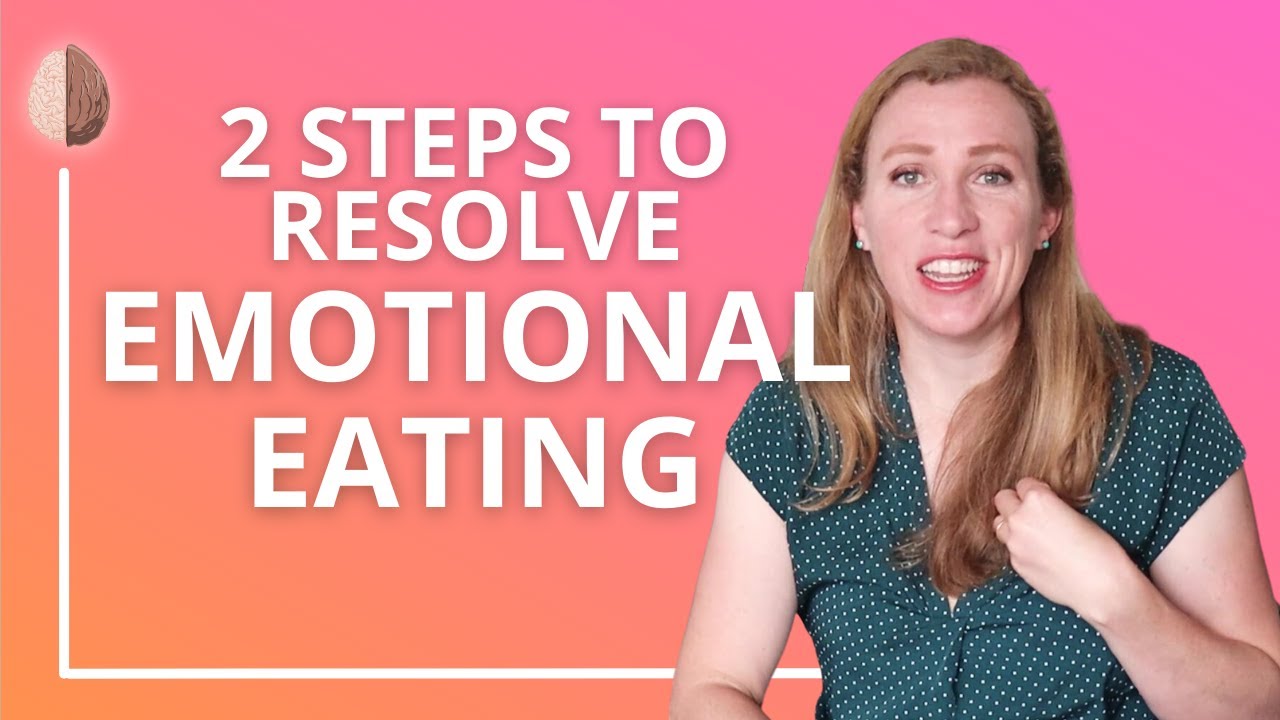
What is Emotional Eating?

Why do we fail to maintain a balanced diet? The explanation lies in “Emotional Eating.” This is the act of eating not to fill the stomach or provide calories, but to satisfy the brain’s desire for “fullness.” Craving food when depressed or angry, or eating more than usual when dining in a group. Salivating while watching a ‘Mukbang’ is clear evidence of how visual effects influence emotional eating. Some scientists even suggest that people who respond strongly to smells or tastes feel hunger more easily, and those with strong physiological responses to an empty stomach are more likely to become obese.
It’s Not the Stomach, It’s the Brain!
You may have experienced the urge to eat more than you need to feel satisfied. That means your stomach has expanded. But this isn’t the stomach’s fault. It is the brain that perceives satiety. When you’re hungry, the brain releases a hunger-stimulating hormone called ghrelin; when full, a hunger-suppressing hormone called leptin to regulate food intake. If the stomach expands, more ghrelin is secreted due to the increased surface area, leading to overeating. In the end, your brain is never satisfied.
Typically, the capacity of a human stomach is about 1L. Someone with a 2L capacity could be considered a “big eater.” However, the stomach can expand much further—just like a balloon. A surgeon who performs gastric bypass surgery on class III obesity patients once said, “I’ve even seen an X-ray of a woman whose stomach had abnormally expanded and sagged all the way down to her pelvis.”
The stomach is made of tough, resilient muscle layers. Depending on the amount of food consumed, it can stretch like a sack or shrink to the size of a fist. “Big eaters” who eat a vast amounts of food have gradually expanded their stomachs over time.
The stomach constantly repeats contractions and peristaltic movements—just like a millstone—about three times a minute at 20-second intervals. However, when forced into hard labor, the muscles stop moving due to fatigue. This is when people complain of symptoms like “feeling bloated,” “indigestion,” or “acid reflux and nausea.”
If a medical exam shows no specific physical issues despite these symptoms, you can consider it a “silent protest” by the stomach under the banner of “Functional Dyspepsia.”
The Domino Effect of Overeating
Repeated overeating leads to other illnesses. A common one these days is Gastroesophageal Reflux Disease (GERD). This occurs when the sphincter between the stomach and esophagus weakens, causing digesting food to flow backward. Since stomach acid has a strong acidity of about pH 2, it feels like the esophagus is burning, and in severe cases, the esophageal mucosa becomes damaged and inflamed. Symptoms worsen particularly when lying down immediately after consuming greasy food or late-night snacks. Perhaps the old Korean proverb, “If you lie down right after eating, you’ll turn into a cow,” was a warning against GERD.

Moreover, increased food intake keeps the pancreas busy. The pancreas is a factory that produces insulin, a catalyst that delivers glucose (fuel) into cells. When high-calorie food pours in, the pancreas becomes overloaded. The real problem is that “defective insulin” starts being produced. Consequently, glucose cannot enter the cells and wanders through the bloodstream. This is known as “insulin resistance” the precursor to diabetes.
Blood that becomes thick like syrup eventually clogs capillaries, leading to complications such as diabetic retinopathy (a complication of diabetes that affects the eyes), foot ulcers, kidney disease, heart disease, and stroke.
Key Characteristics of Emotional Eaters
Identifying the patterns of emotional eating is the first step toward recovery. Here are the most common traits seen in those who struggle with this habit:
A. Sudden and Urgent Cravings
Physical hunger develops gradually; your stomach growls, and you feel a slow decline in energy. Emotional hunger, however, hits like a tidal wave. It feels like an instant, overwhelming demand that must be satisfied immediately.
B. Seeking “Comfort Foods”
When you are physically hungry, almost any food sounds good—even a salad or an apple. But when you eat emotionally, you crave specific “comfort foods”—usually those high in sugar, fat, or salt. Your brain is looking for a chemical reward, not nutrients.
C. Mindless Consumption (The “Trance” State)
Emotional eaters often experience “mindless eating.” You might sit down with a box of cookies and suddenly realize the entire box is gone without you even tasting most of them. It’s as if you’ve gone into a trance to escape your current reality.
D. Eating Past the Point of Fullness
Because the goal isn’t to satisfy the stomach but to numb the mind, emotional eaters often lose touch with their body’s satiety signals. They continue eating until they are uncomfortably full or even in physical pain.
E. The Post-Eating Shame Spiral
This is perhaps the most defining characteristic. After a bout of emotional eating, you don’t feel satisfied. Instead, you feel powerless, ashamed, and guilty for “failing” again.
Physical Hunger vs. Emotional Hunger: A Comparison
Understanding the difference is crucial for mindful living.
| Feature | Physical Hunger | Emotional Hunger |
| Speed of Onset | Gradual | Sudden / Instant |
| Food Choice | Open to various options | Specific cravings (Sweet/Salty) |
| Sensation | Stomach growling/emptiness | Mental fixation/Urgency |
| Ending Point | Stops when full | Continues despite fullness |
| Aftermath | Feeling satisfied | Feeling guilty or ashamed |
Self-Diagnosis: Are You an Emotional Eater?
Check the following statements. If you agree with three or more, you may be using food as a primary coping mechanism for your emotions.
- [ ] Do you eat more when you feel stressed or under pressure?
- [ ] Do you eat when you’re not hungry or even when you’re full?
- [ ] Do you eat to feel better (to calm yourself down or soothe a mood)?
- [ ] Do you reward yourself with food frequently?
- [ ] Do you feel powerless or out of control around food?
- [ ] Do you eat in secret or feel embarrassed about how much you eat?
- [ ] Does food make you feel “safe” or like a “friend”?
- [ ] Do you feel a sense of regret or self-loathing after eating?
How to Break Free from Emotional Eating
Overcoming emotional eating is not about “dieting”; it is about emotional regulation.

* Practice the “5-Minute Rule”
When a sudden craving hits, tell yourself you can have the food, but you must wait 5 minutes first. During those 5 minutes, check in with yourself. Ask, “What am I feeling right now?” Often, the peak of the emotional urge will pass if you give it just a few minutes of space.
* Keep an Emotional Food Diary
Instead of just counting calories, record your mood before and after you eat. You might notice a pattern, such as binging every Tuesday after a specific meeting. Recognizing your triggers is half the battle.
* Find Non-Food Rewards
Identify activities that truly nourish your soul. This could be:
- A 10-minute walk in nature.
- Calling a supportive friend.
- Practicing deep breathing or meditation.
- Engaging in a creative hobby like drawing or writing.
Healthy Grocery Basket: Foods Your Stomach Loves
- Yam: The mucin protects the stomach lining.
- Cabbage: Effective in preventing gastritis, stomach ulcers, and GERD.
- Radish: Rich in digestive enzymes to soothe the stomach.
- Broccoli: Antioxidants like selenium and beta-carotene help prevent stomach cancer.
- Sweet Pumpkin: Rich in Vitamin A and minerals; has properties that warm the stomach.
- Soybeans: Rich in plant-based protein and easy to digest; recommended for gastritis patients.
- Apple: Pectin protects the gastric mucosa and aids bowel movement.
Frequently Asked Questions (FAQ)
Q1. Can emotional eating be cured completely?
A: Rather than a “cure,” it is about “management” and “awareness.” While the urge to eat when stressed may still occur, you can learn to recognize it and choose healthier coping mechanisms. Over time, the frequency and intensity will decrease as you build emotional resilience.
Q2. Is emotional eating the same as Binge Eating Disorder (BED)?
A: Not necessarily. Emotional eating is a common behavior where emotions drive food choices. Binge Eating Disorder (BED) is a clinical diagnosis involving the consumption of large amounts of food in a short period, accompanied by a feeling of loss of control and distress. If your eating habits feel uncontrollable, consulting a professional is recommended.
Q3. Why do I only crave unhealthy food when I’m stressed?
A: When stressed, the body releases cortisol, which triggers cravings for high-fat and high-sugar foods. These “comfort foods” provide a temporary surge in serotonin and dopamine, giving your brain a quick (but short-lived) sense of relief and pleasure.
Q4. How can I tell if I am physically or emotionally hungry?
A: The best way to tell is the “Broccoli Test.” Ask yourself: “Would I eat a bowl of steamed broccoli right now?” If the answer is yes, you are likely physically hungry. If you only want a specific snack like chocolate or pizza, it is likely emotional hunger.
Q5. Does drinking water help with emotional eating?
A: Yes, it can. Dehydration is often mistaken for hunger by the brain. Drinking a glass of water and waiting 10–15 minutes can help you determine if your body actually needs nourishment or if you are simply experiencing an emotional trigger.
Conclusion: Filling the Heart, Not the Stomach
Emotional eating is a complex behavior rooted in our psychological well-being. It is important to remember that this is not a lack of willpower. It is a survival mechanism your brain developed to handle difficult feelings.
By practicing mindfulness and being kind to yourself, you can learn to listen to your body’s true needs. If you find that emotional eating is significantly impacting your life, seeking help from a therapist or a nutritionist specializing in disordered eating can be a life-changing step. Your stomach is a vital organ, not a trash can for your emotions. This week, try to practice Mindful Living—filling your heart with peace, meditation, and rest rather than excess calories.
Your body will thank you.
If you found this helpful, you might also want to check out my guide on Is “Enduring Hunger” Truly the Way to Diet?