

When you sit down for a meal, what is your very first bite?
For weight management, we often worry about what to eat. However, we frequently overlook the order in which we eat. “Food Sequencing” is a nutritional strategy that can be more impactful than the ingredients themselves.
What is Food Sequencing?
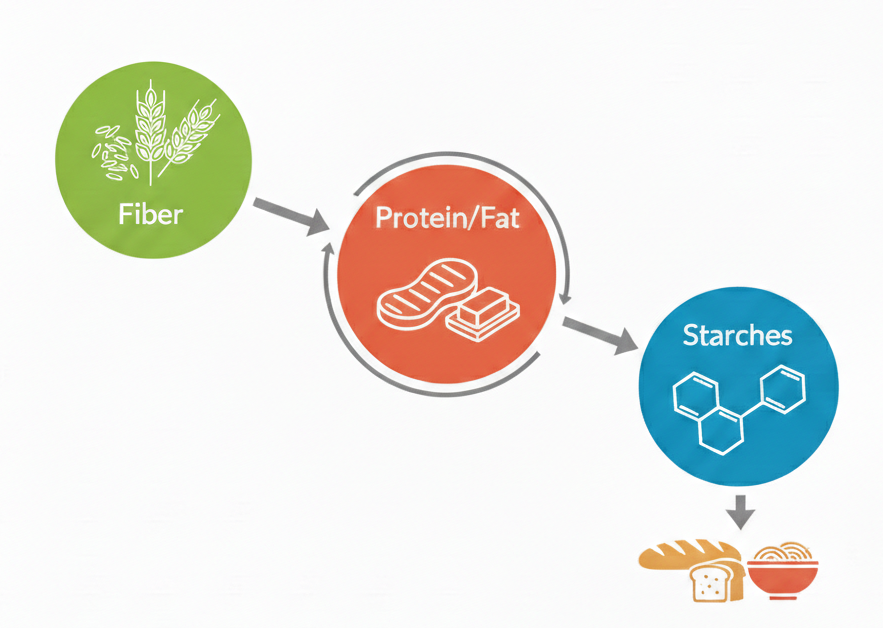
Food Sequencing is a dietary strategy that prioritizes the order of food groups during a meal. The core principle is simple:
Fiber → Protein & Fat → Carbohydrates.
Many people prefer eating “mixed meals,” such as having rice with side dishes simultaneously. However, this often leads to rapid blood sugar increases. Food Sequencing strategically designs the path food takes through your digestive system to regulate your body’s metabolic response.
Changing the order of eating for health reasons is called “Food Sequencing” Instead of starting with your favorite foods, you re-arrange the order for your health.
The method is simple:
First, eat VEGETABLES rich in fiber
Next, have PROTEINS and FATS such as meat, beans, and fish
Finally, eat CARBOHYDRATES like bread or rice
Does the order really matter?
Yes. Science now recognizes food sequencing as a practical therapy for managing obesity and diabetes.
A 2022 study published in Nutrients followed Type 2 diabetes patients for five years. One group ate 120g of vegetables before their meals, while the other ate normally.
- The Result: The vegetable-first group saw a significant decrease in HbA1c (8.2% to 7.0%).
- The Control: The group eating normally showed no significant change.
- Complications: Kidney disease and arteriosclerosis were minimal in the vegetable group but increased in the control group.
The Mechanism: Avoiding the “Blood Sugar Spike”
The secret lies in how fast nutrients are absorbed.
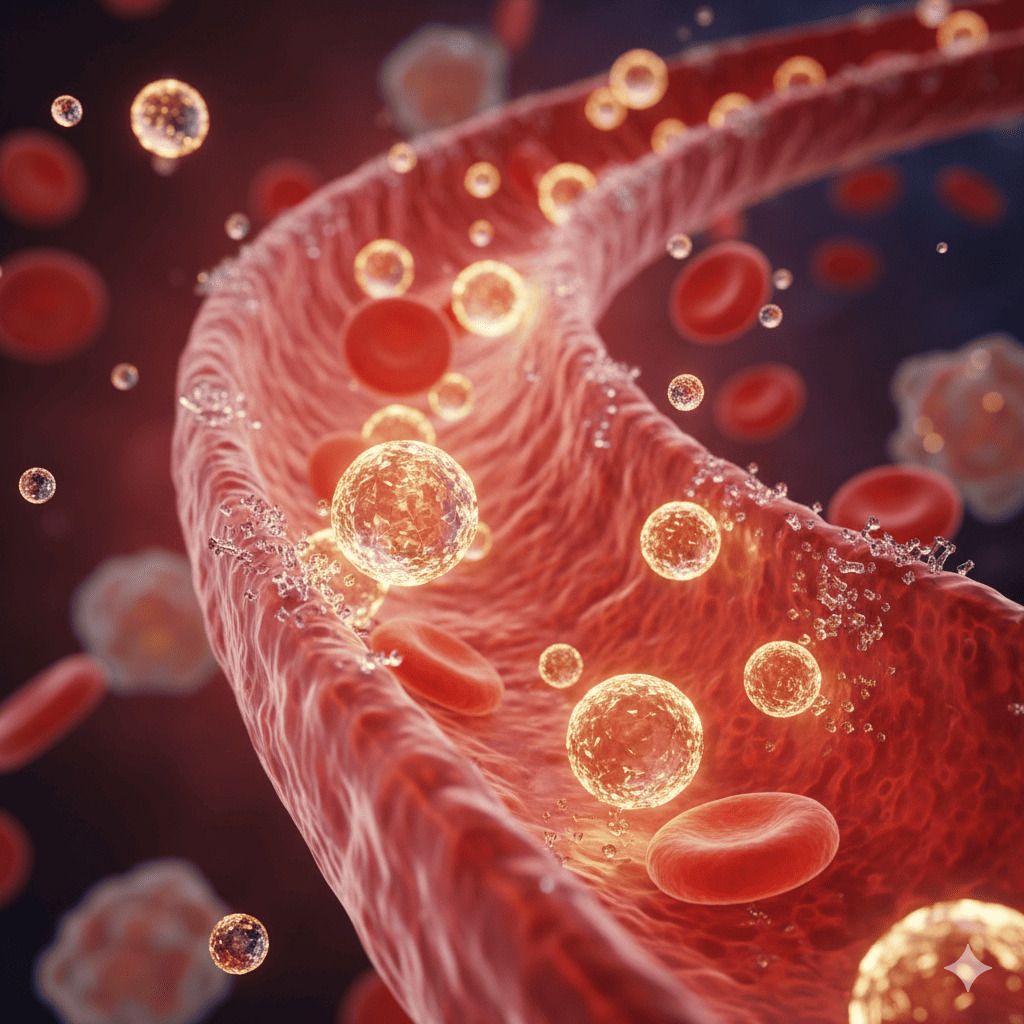
- Carbohydrates can convert into glucose in just 30 minutes.
- Protein takes 1 to 3 hours to digest.
- Fats take about 2 hours.
If you eat carbs first, blood sugar skyrockets. This causes the pancreas to pour out insulin, which eventually triggers hunger again.
By eating vegetables first, fiber creates a “viscous mesh” in the small intestine. This acts as a physical buffer, slowing down the absorption of glucose. This prevents spikes, maintains fullness, and naturally reduces total calorie intake.
So, let’s start building the habit of healthy food sequencing.
The Benefits of Food Sequencing
A. Weight Loss Without Calorie Counting
When your blood sugar spikes, your pancreas releases insulin, the body’s primary fat-storage hormone. High insulin levels tell your body to stop burning fat and start storing it. By flattening your glucose curve through sequencing, you keep insulin levels lower, allowing your body to access stored fat for fuel more efficiently.
B. Eliminating the “Food Coma” and Cravings
We’ve all experienced the post-lunch energy crash. This is usually a “reactive hypoglycemia” event—where your blood sugar spikes too high and then crashes too low. This crash triggers the brain’s hunger center, leading to intense cravings for sugar and caffeine. Meal sequencing prevents this rollercoaster, providing steady energy throughout the afternoon.
C. Hormonal Balance and Satiety
Eating in the correct order optimizes your satiety hormones, such as Leptin and Ghrelin. You will find that you feel full faster and stay satisfied longer, which naturally leads to “passive calorie restriction” without the psychological stress of dieting.
The Biological Mechanism: Understanding the “Glucose Buffer”
To understand why meal sequencing works, we have to look at how our stomach and intestines handle different nutrients.
The Role of Fiber as a Barrier
When you consume fiber (like a green salad or steamed broccoli) at the beginning of a meal, two things happen. First, fiber slows down “gastric emptying”—the rate at which food leaves your stomach. Second, it creates a viscous, gel-like mesh in the small intestine. This mesh acts as a physical buffer that slows down the absorption of glucose molecules into the bloodstream.
The Impact of Protein and Fats
Following fiber with protein and fats further slows the digestive process. Protein stimulates the release of Glucagon-like peptide-1 (GLP-1), a hormone that slows down the movement of food and signals your brain that you are becoming full. This is the same hormone that many modern weight-loss medications (like Ozempic) target.
The Starch Finale
By the time you reach the carbohydrates (the starches and sugars), the “buffer” is already established. Instead of the glucose hitting your system all at once and causing a massive “spike,” it is released slowly. This results in a “glucose curve” that is flat and steady rather than a mountain-like peak.
Tips for Daily Life
Transitioning to meal sequencing doesn’t require a lifestyle overhaul. Here is how you can apply it to common meals:
At a Restaurant
- The Bread Basket Trap: Most restaurants serve bread first. This is the worst time to eat it, as it hits an empty stomach and causes a massive spike. Instead, ask the server to bring the bread with the main course or skip it entirely.
- The Appetizer Strategy: Always start with a vegetable-based appetizer. A simple green salad with vinaigrette or a side of roasted asparagus is the perfect “primer” for your digestive system.
Home Cooking
- The 10-Minute Rule: If possible, try to finish your vegetables about 5 to 10 minutes before moving on to the rest of the meal. This gives the fiber mesh time to form in the intestine.
- Deconstructing Mixed Dishes: While it’s hard to sequence a lasagna, you can eat a small bowl of spinach or a cucumber salad before you dive into the main dish.
7-Day Precision Meal Sequencing Plan
To help you get started, here is a one-week sample menu. Remember the rule: Eat the components of these meals in the specific order of Fiber → Protein/Fat → Starches.
Day 1: The Mediterranean Start
- Breakfast: Omelet with spinach, mushrooms, and feta cheese. (Eat the mushrooms/spinach first, then the eggs).
- Lunch: Greek Salad (cucumber, tomato, olives) followed by grilled lemon chicken. Small portion of quinoa as the “carb finish.”
- Dinner: Steamed broccoli with garlic oil, followed by baked salmon. Half a sweet potato at the very end.
Day 2: Asian-Inspired Balance
- Breakfast: A bowl of mixed berries (fiber/low sugar) followed by full-fat Greek yogurt with chia seeds.
- Lunch: Stir-fry vegetables (bok choy, snap peas) followed by beef strips. A small side of brown rice.
- Dinner: Miso soup with extra seaweed and tofu, followed by grilled shrimp. A small serving of noodles last.
Day 3: Classic Comfort (Sequenced)
- Breakfast: Sliced avocado and tomatoes, followed by two poached eggs. One slice of whole-grain sourdough toast.
- Lunch: Large garden salad with vinaigrette, followed by a turkey and cheese wrap (eat the filling out of the wrap first if possible, or have the salad as a substantial buffer).
- Dinner: Roasted Brussels sprouts, followed by a grilled pork chop. A small serving of mashed potatoes.
Day 4: Plant-Forward Sequencing
- Breakfast: A green smoothie (blended spinach, celery, protein powder) followed by a handful of almonds.
- Lunch: Zucchini noodles with pesto (fiber), followed by grilled tempeh or chickpeas. A piece of whole fruit for dessert.
- Dinner: Sautéed kale and carrots, followed by lentil stew. A small crusty roll at the end.
Day 5: The Energy Booster
- Breakfast: Scrambled eggs with bell peppers and onions. (Focus on the peppers first).
- Lunch: Coleslaw (vinegar-based dressing), followed by pulled pork or shredded chicken. Half a corn on the cob.
- Dinner: Asparagus with parmesan, followed by a steak or portobello mushroom. A small portion of pasta.
Day 6: Weekend Brunch Style
- Breakfast/Brunch: A side of sautéed spinach and tomatoes, followed by a ham and cheese omelet. A small pancake with a drizzle of syrup as the “final treat.”
- Lunch: Fresh celery and carrot sticks with hummus, followed by a tuna salad. A few crackers at the end.
- Dinner: Roasted cauliflower, followed by roast chicken. A serving of wild rice.
Day 7: Reset and Refuel
- Breakfast: Chia seed pudding (made with coconut milk), followed by two hard-boiled eggs.
- Lunch: Mixed green salad with pumpkin seeds, followed by a grilled veggie burger (patty first). The bun comes last.
- Dinner: Green beans with almonds, followed by baked cod or white fish. A small serving of couscous.
Frequently Asked Questions (FAQ)
Q: Do I have to eat this way for every single meal? A: Consistency is key for metabolic health, but even doing this for your largest meal of the day (usually dinner) can make a massive difference in your morning fasting blood sugar levels.
Q: Can I drink water or vinegar before a meal? A: Yes! In fact, drinking a tablespoon of apple cider vinegar diluted in a tall glass of water 10 minutes before a meal can further enhance the glucose-lowering effects of meal sequencing.
Q: Is this only for people with Diabetes? A: Absolutely not. While it is life-changing for Type 2 diabetics and those with PCOS, anyone looking to improve their skin, energy levels, and long-term health will benefit from reducing inflammation caused by glucose spikes.
Conclusion: Habits Change Health
Food Sequencing is the most economical and scientifically proven “diet” that costs zero dollars. Start changing the order in which your chopsticks move today. It might feel awkward at first, but the lightness of your body and your stable blood sugar levels will soon prove its effectiveness.
What will your first bite be today?
If you found this helpful, you might also want to check out my guide on What is a Blood Sugar Spike? Understanding the Mechanism
2 thoughts on “Food Sequencing 101: Master the Science of Eating Order”