
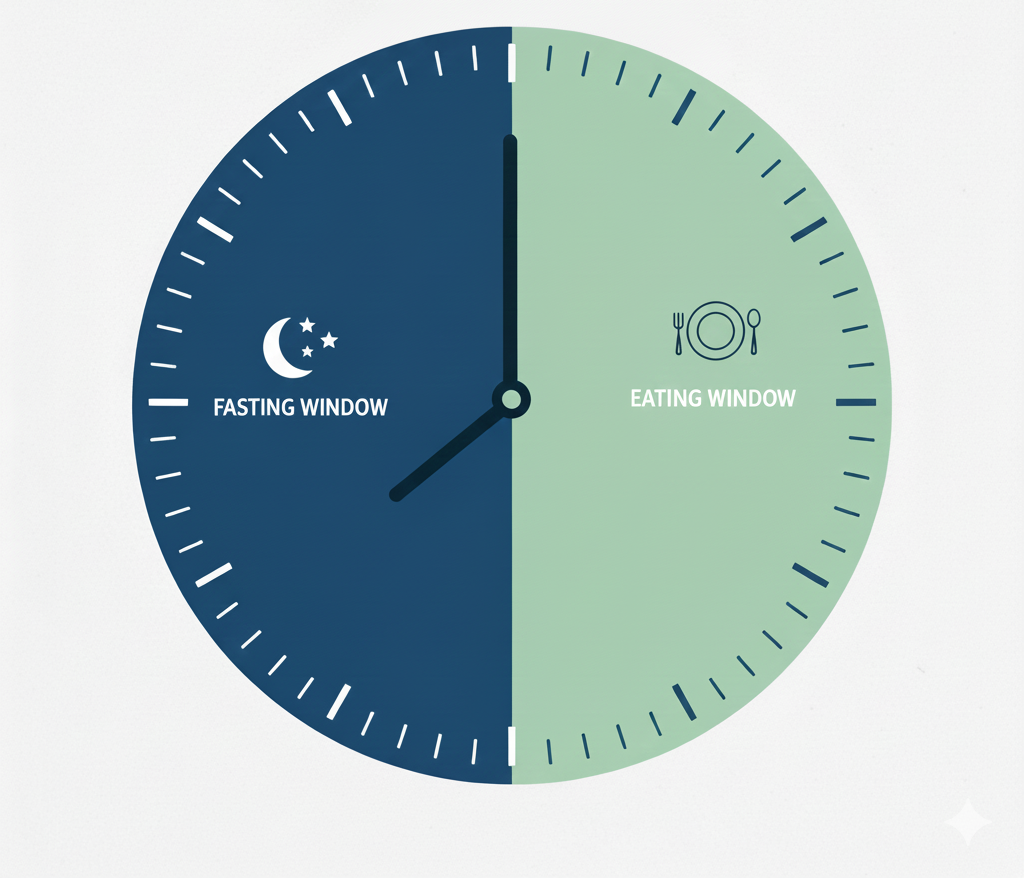
Intermittent Fasting (IF) has transitioned from a fitness trend to a scientifically validated lifestyle choice for millions worldwide. Unlike traditional diets that focus on what you eat, intermittent fasting focuses on when you eat. Among the various protocols, the 16:8 method—fasting for 16 hours and eating during an 8-hour window—is the most popular and sustainable for long-term success.
This comprehensive guide will explore the biological mechanisms of fasting, the profound health benefits beyond weight loss, and a step-by-step roadmap for beginners to start their fasting journey safely and effectively.
1. What is the 16:8 Method? The Science of the Fasting Switch
The 16:8 method is a form of time-restricted feeding. Typically, this involves skipping breakfast and having your first meal at noon, then finishing your last meal by 8:00 PM.
The Metabolic Switch
The human body is designed to function in two states: the Fed State and the Fasted State.
- The Fed State: When you eat, your insulin levels rise, and your body focuses on storing energy (glucose) in the liver and as body fat.
- The Fasted State: About 12 hours after your last meal, insulin levels drop significantly. This signals the body to start burning stored fat for energy.
By extending the fasted state to 16 hours, you allow your body to remain in the “fat-burning zone” for a much longer duration than a traditional three-meals-a-day schedule allows.
2. Cellular Magic: Autophagy and Longevity
The most exciting benefit of intermittent fasting isn’t weight loss—it’s Autophagy. In 2016, Yoshinori Ohsumi was awarded the Nobel Prize for his research on this process.
What is Autophagy?
Derived from the Greek words for “self-eating,” autophagy is a cellular “housekeeping” process. During prolonged fasting, your cells begin to break down and recycle damaged proteins and old cellular components. This process:
- Reduces systemic inflammation.
- Slows down the biological aging process.
- May reduce the risk of neurodegenerative diseases like Alzheimer’s and Parkinson’s.
3. Beyond Weight Loss: Health Benefits of IF
While many start 16:8 for the scale, they stay for the systemic health improvements.
Improved Insulin Sensitivity
Chronic eating keeps insulin levels high, leading to insulin resistance—the precursor to Type 2 Diabetes. Intermittent fasting gives your pancreas a break, allowing your cells to become more sensitive to insulin again. This stabilizes blood sugar and prevents energy crashes.
Mental Clarity and Brain Health
Fasting increases the production of Brain-Derived Neurotrophic Factor (BDNF). BDNF acts like “Miracle-Gro” for your brain, supporting the survival of existing neurons and encouraging the growth of new ones. Many practitioners report heightened focus and the disappearance of “brain fog” during their fasting window.
Heart Health and Lipid Profiles
Studies have shown that IF can improve various risk factors for heart disease, including blood pressure, total and LDL cholesterol, blood triglycerides, and inflammatory markers.
4. How to Start Intermittent Fasting: A Practical Roadmap for Beginners
Transitioning to 16:8 requires a strategic approach to avoid hunger pangs and irritability.
Step 1: The Gradual Transition
Don’t jump into 16 hours immediately if you currently eat from 7 AM to 10 PM.
- Week 1: 12-hour fast (8 AM to 8 PM).
- Week 2: 14-hour fast (10 AM to 8 PM).
- Week 3: 16-hour fast (12 PM to 8 PM).
Step 2: Hydration is Non-Negotiable
During the fasting window, you can and should drink:
- Water: Still or sparkling.
- Black Coffee: No sugar, no milk, no cream (caffeine can actually help suppress appetite).
- Unsweetened Tea: Green tea is excellent for its antioxidant properties.
Step 3: Focus on Nutrient Density
Your 8-hour window is not a “cheat window.”
To see results, focus on:
- High Protein: To preserve muscle mass.
- Healthy Fats: For satiety (avocados, nuts, olive oil).
- Complex Carbs: For steady energy (quinoa, sweet potatoes).
5. The 7-Day 16:8 Intermittent Fasting Meal Plan
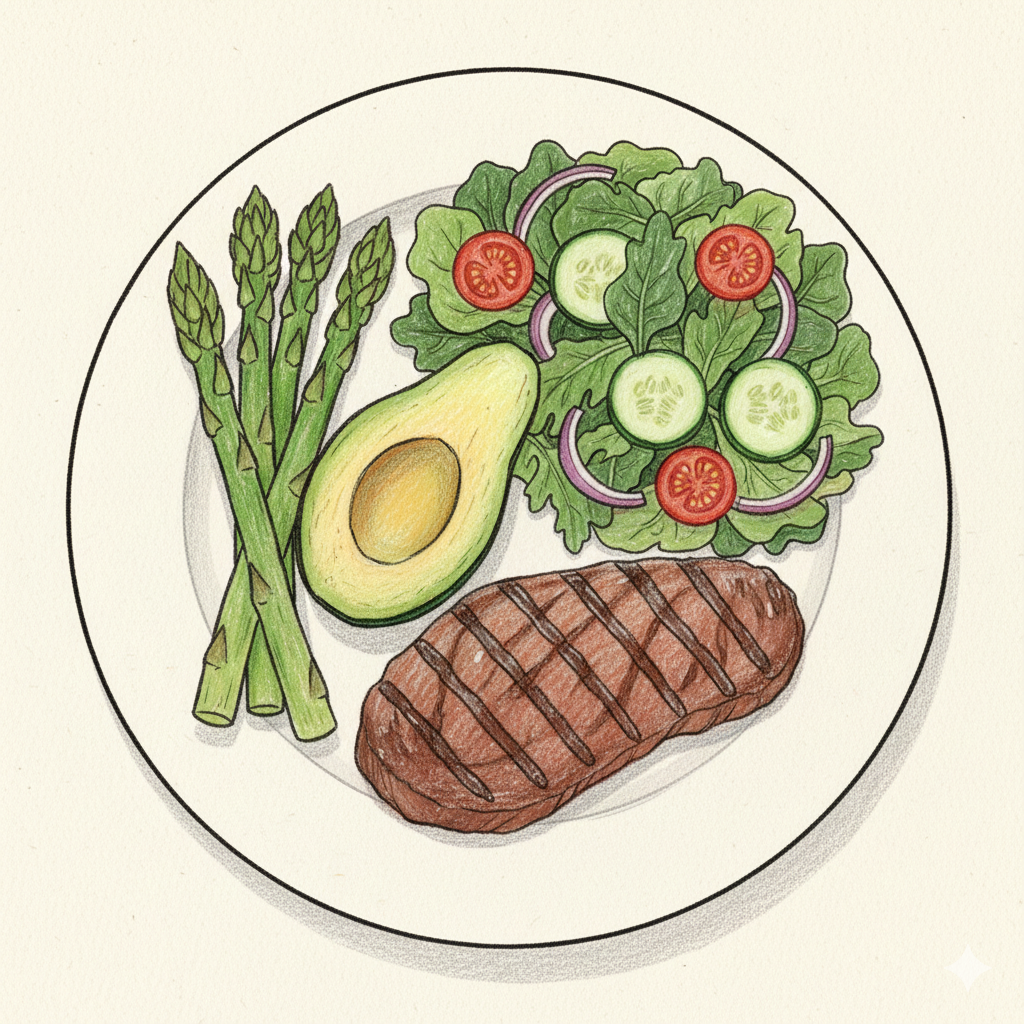
To maximize the results of your 16-hour fast, what you eat during your 8-hour window is crucial. This meal plan focuses on high-protein, fiber-rich, and healthy-fat foods to keep you satiated and maintain muscle mass.
| Day | First Meal (12:00 PM) | Snack (Optional – 3:30 PM) | Last Meal (by 7:30 PM) |
| Monday | Grilled Chicken Salad with Avocado | Greek Yogurt with Blueberries | Baked Salmon and Asparagus |
| Tuesday | 3-Egg Omelet with Spinach & Feta | A handful of Walnuts | Beef Stir-fry with Broccoli & Peppers |
| Wednesday | Tuna Lettuce Wraps with Hummus | Apple slices with Almond Butter | Grilled Shrimp and Quinoa Bowl |
| Thursday | Turkey and Swiss Cheese Salad | Cottage Cheese with Pineapple | Roasted Chicken Breast & Zucchini |
| Friday | Quinoa Bowl with Black Beans & Egg | Protein Shake (Whey or Plant) | Baked Cod with Smashed Potatoes |
| Saturday | Grass-fed Beef Burger (No bun) | Mixed Berries and Almonds | Grilled Tofu with Roasted Cauliflower |
| Sunday | Poached Eggs on Whole Grain Toast | A Square of Dark Chocolate (85%) | Lean Steak with Green Beans |
6. Common Pitfalls and How to Avoid Them
Overeating During the Window
A common mistake is thinking you can eat anything because you fasted. If you consume 3,000 calories of junk food in 8 hours, you will still gain weight. The goal is to eat normal, healthy portions.
Neglecting Electrolytes
Fasting causes the kidneys to excrete more sodium and water. This can lead to the “keto flu” or headaches. Adding a pinch of high-quality sea salt to your water can prevent these symptoms.
Watching Out for “Hidden” Breakers
Many people accidentally break their fast with “sugar-free” gum, flavored waters with sucralose, or “bulletproof” coffee. To maximize autophagy, stick to pure water, black coffee, or plain tea.
7. What to Avoid During Your Fasted State: Common Fast-Breakers
Many beginners unknowingly break their fast or blunt the benefits of autophagy by consuming things they assume are “safe.” To keep your insulin levels at baseline, you must avoid the following during your 16-hour fasting window:
1. Artificial Sweeteners (The Insulin Trap)
While diet sodas or “zero-calorie” water enhancers technically have no calories, sweeteners like Sucralose, Aspartame, and Stevia can still trigger a “cephalic phase insulin response.” Your brain tastes the sweetness and signals the pancreas to release insulin, which can stop fat burning and increase hunger.
2. “Bulletproof” Coffee or Added Fats
Adding butter, MCT oil, or heavy cream to your coffee is popular in some circles, but it does break your fast. While these healthy fats don’t spike insulin as much as sugar, they contain significant calories. When you consume fat during a fast, your body burns the fat from your coffee instead of the stored fat on your body.
3. Gummy Vitamins and Supplements
Many people take their supplements in the morning. However, gummy vitamins are loaded with sugar and gelatin. Even some capsule supplements contain fillers like maltodextrin.
- Tip: Move your supplement routine to your 8-hour eating window, especially fat-soluble vitamins (A, D, E, K) which require food for absorption anyway.
4. BCAA Powders
Branched-Chain Amino Acids (BCAAs) are popular for workouts, but amino acids (especially leucine) are insulinogenic. Consuming BCAAs during your fast will spike insulin and effectively shut down the process of autophagy.
5. “Cream and Sugar” in Moderation
There is a myth that “under 50 calories won’t break a fast.” While this might not totally ruin weight loss, it will interrupt the cellular repair process. If your goal is metabolic health and autophagy, stick to the “True Fast”—zero calories.
8. Is Intermittent Fasting Safe for Everyone?
While IF is safe for most healthy adults, certain groups should consult a doctor or avoid it altogether:
- Pregnant or Breastfeeding Women: Nutrient demands are too high during this period.
- Individuals with a History of Eating Disorders: Fasting can sometimes trigger restrictive behaviors.
- Underweight Individuals: People with a BMI under 18.5 should not fast.
- Type 1 Diabetics: Requires strict medical supervision to manage insulin dosages.
9. Sample 16:8 Schedule (The Noon-to-Eight Plan)
- 07:00 AM: Wake up + 500ml Water.
- 09:00 AM: Black Coffee or Green Tea.
- 12:00 PM (Break Fast): Large salad with grilled chicken, avocado, and olive oil dressing.
- 03:30 PM (Snack): A handful of walnuts or Greek yogurt.
- 07:30 PM (Final Meal): Baked salmon, steamed asparagus, and a small portion of brown rice.
- 08:00 PM: Fasting window begins.
10. FAQ: Frequently Asked Questions about 16:8 Fasting
Q1: Can I drink anything other than water during the fasting window? A: Yes, you can consume non-caloric beverages such as black coffee, plain tea (green, black, or herbal), and sparkling water. Avoid adding milk, sugar, or artificial sweeteners, as these can trigger an insulin response and break your fast.
Q2: Will I lose muscle mass while fasting? A: If you maintain a high protein intake during your eating window and continue resistance training, muscle loss is minimal. Fasting actually increases growth hormone levels, which helps preserve muscle tissue.
Q3: Can I work out while in a fasted state? A: Absolutely. Many people find they have more energy for workouts in a fasted state once they are adapted. However, if you feel dizzy or weak, listen to your body and try a smaller fasting window or a light snack before training.
Q4: Is it okay to do 16:8 every day? A: For most healthy adults, 16:8 can be practiced daily. However, some people prefer to do it 5 days a week and eat normally on weekends. Consistency is key, but flexibility helps with long-term adherence.
Q5: What should I eat to break my fast? A: It is best to break your fast with a balanced meal containing protein and healthy fats (like eggs and avocado) rather than a high-sugar meal, which could cause a massive blood sugar spike.
Glossary: Key Intermittent Fasting Terms
- Autophagy: A natural process where cells clean out damaged components and regenerate new, healthy cells.
- Insulin Resistance: A condition where cells stop responding to insulin, leading to high blood sugar and fat storage. Fasting helps reverse this.
- Time-Restricted Feeding (TRF): An umbrella term for eating patterns like 16:8 that limit food intake to specific hours of the day.
- Glycogen: The stored form of glucose in your liver and muscles. The body must burn through glycogen before it starts burning significant body fat.
- BDNF (Brain-Derived Neurotrophic Factor): A protein that promotes brain health and cognitive function, which increases during fasting.
- Electrolytes: Essential minerals (like sodium, magnesium, and potassium) that maintain hydration and nerve function.
- Metabolic Switch: The point at which the body switches from using glucose for energy to using fatty acids and ketones.
- Ketones: Chemicals produced by the liver when the body breaks down fat for energy in the absence of glucose.
Conclusion
Intermittent fasting is more than just a diet; it is a powerful metabolic tool that aligns your eating habits with your biological clock. By mastering the 16:8 method, you are not only managing your weight but also optimizing your cellular health, brain function, and longevity. Start slow, stay hydrated, and listen to your body—the results will follow.
If you found this helpful, you might also want to check out my guide on The Strategic Guide to Cheat Days: How to Break Your Weight Loss Plateau
1 thought on “The Ultimate Guide to Intermittent Fasting 16:8: A Science-Based Approach for Beginners”